Sleep & Bedroom Wellness
Naturepedic Organic Mattresses: Materials, Certifications, and Comfort
An organic mattress is more than a single material wrapped in a reassuring label. Its feel and composition come from a series of layers, each with a different job. When assessing Naturepedic mattresses—or any mattress marketed as organic—look beyond the headline claim: examine the materials, check what certifications actually cover, and consider whether the construction suits the way you sleep.
A practical guide to reading materials, understanding certification language, and weighing comfort and care before you decide.
What “organic mattress” can—and cannot—tell you
The phrase “organic mattress” sounds like a clear promise, but it does not, by itself, explain the contents of every layer. A mattress is an assembled product: its cover, padding, comfort layers, support core, seams, and fire-safety components may be made from different materials and may be subject to different standards. A claim about one ingredient should not automatically be read as a claim about the entire finished mattress.
That distinction matters when comparing Naturepedic organic mattresses. A description might identify organic cotton in the cover or padding, for example, while other parts of the mattress use different materials. The useful question is not simply “Is it organic?” but “Which components are certified, under what standard, and what does the certification say?” Product specifications can vary by model and can change, so check current documentation for the exact mattress you are considering rather than relying on a general brand description.
It is also helpful to separate material claims from comfort claims. “Organic” describes a sourcing or processing attribute where the relevant standard applies; it does not tell you whether a mattress will feel plush, firm, cool, or supportive. Those qualities depend on the full construction, your body, your preferred sleep position, and the foundation beneath the bed.
Start with the layers, not the label
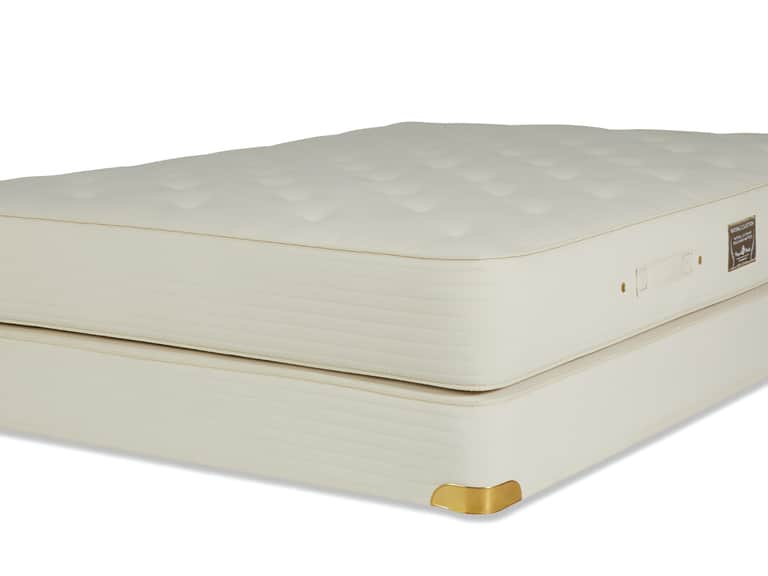
A mattress can look simple from the outside, but its internal build determines how it responds under pressure. When reading a Naturepedic mattress description, identify the layers from the sleeping surface down to the support system. If a product page lists only broad terms, look for a more detailed specification or ask the manufacturer to clarify what each layer contains.
The cover and ticking
The cover is the fabric that touches your sheets and helps enclose the mattress. It can affect surface texture, breathability, and durability, but it is only one part of the overall construction. Check whether the description identifies the fiber, whether it is blended with other materials, and whether a certification applies to the fabric itself or to a wider finished product. A natural-feeling cover does not, on its own, establish the composition of the layers beneath it.
Comfort and cushioning layers
Just below the cover, comfort layers help shape the initial feel of the mattress. Depending on the model, these may be made from materials such as latex, cotton, wool, or other cushioning components. Their thickness, density, arrangement, and combination all influence how quickly a surface responds and how much it compresses around shoulders and hips.
Two mattresses that use some of the same materials can feel quite different if one has a thicker comfort layer or a different support system. That is why material names are a starting point, not a shortcut to predicting comfort. Look for a description of the complete build, and consider how the layers work together rather than judging a mattress by one ingredient.
The support core
The support core is the deeper structure responsible for bearing weight and contributing to alignment. Mattress designs can use different support technologies, and the feel can differ considerably between them. A more responsive core may feel unlike a slowly contouring one; a spring system may behave differently from a solid foam or latex structure. Edge support, motion transfer, and the degree of bounce can also depend on this foundation.
For couples, movement across the surface may be a major consideration. For someone who sleeps near the edge, the stability of that perimeter may matter more than a particular marketing phrase. For a person who changes positions through the night, ease of movement can be worth testing. The point is to translate construction details into questions about everyday use.
How to read mattress certifications
Certifications are most useful when you know their scope. Different programs may assess different aspects of a material or product, such as the origin of particular fibers, restrictions on certain substances, or emissions from a finished item. They are not interchangeable, and a label should not be treated as a universal seal of approval for every claim a shopper might associate with it.
When evaluating a Naturepedic mattress, identify the name of each certification and verify what it covers. Does it apply to the cotton, another specific component, or the complete mattress? Is the claim tied to a particular model or product configuration? Is there a current certificate or searchable listing that supports it? These details can help you distinguish a documented standard from a broad phrase that sounds reassuring but leaves important questions unanswered.
A short certification-checklist
- Find the exact standard. Look for the certification’s full name, not just a general statement that a product is “certified.”
- Check the scope. Confirm whether it covers a material, a component, the finished mattress, or a particular production process.
- Match the claim to the model. A certification listed for one product should not be assumed to apply to every mattress in a brand’s range.
- Look for current documentation. Standards and product formulations can change, so use recent product information when possible.
- Keep claims in perspective. A certification can offer useful information within its defined scope; it does not tell you whether the mattress will be comfortable for you.
It is equally important not to read more into a certification than it states. A material standard may support a claim about that material, while comfort, durability, care, and overall suitability remain separate questions. For a careful comparison, pair certification details with the full materials list, warranty information, care instructions, and a realistic opportunity to try the mattress.
Comfort is personal—and construction helps explain why
There is no single firmness level that works for everyone. Sleep position is a useful place to begin, but it is not a strict formula. Side sleepers often notice pressure around the shoulder and hip; back sleepers may focus on whether the surface feels balanced through the torso; stomach sleepers may pay particular attention to whether the middle of the body sinks more than they prefer. Body shape, weight distribution, mobility, and personal sensitivity all affect the experience.
“Firm” and “soft” are also not perfectly consistent labels across manufacturers. One brand’s medium may feel firmer or more yielding than another’s. The same mattress can feel different to two people, and a person’s first impression in a showroom or during a brief test may not capture how it feels after several nights. If you share a bed, both sleepers should consider how the mattress responds to their respective needs.
Think about the qualities you actually notice: Do you want a surface that cushions the shoulder? Do you prefer a responsive feel that makes it easy to turn? Are you sensitive to movement from a partner? Does the mattress feel stable when you sit near the edge? These concrete observations are more useful than trying to choose based on a label alone.
Temperature is another personal factor. The feel of warmth can be influenced by the mattress materials, bedding, room conditions, sleepwear, and individual comfort. A material description may give clues about construction, but it cannot guarantee that every sleeper will experience the bed as cool. Consider the complete sleep setup—including sheets, blankets, and bedroom temperature—when comparing nighttime comfort.
Match the mattress to the room and foundation
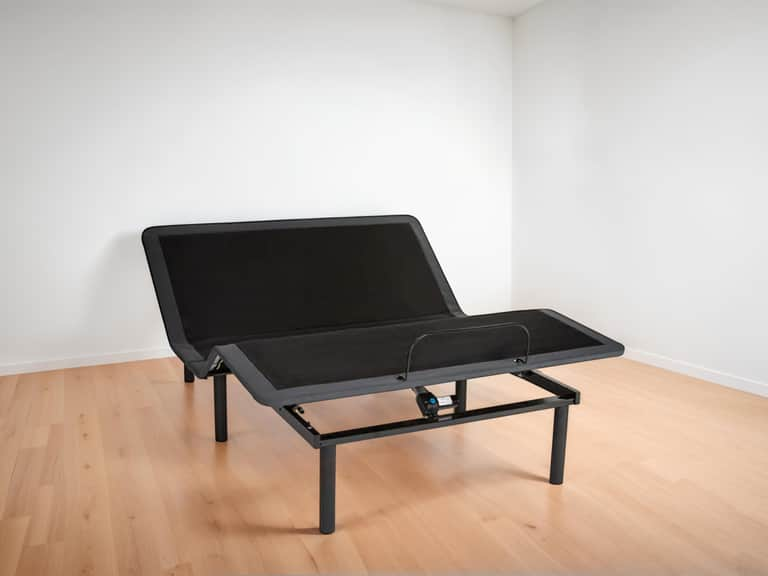
A mattress does not work in isolation. The foundation or bed frame needs to be compatible with the mattress manufacturer’s guidance, and a change in the base can alter the feel of the sleep surface. Before buying, check whether the chosen model is intended for a platform, slatted frame, box spring, or adjustable base, and confirm any requirements for slat spacing or center support.
Room dimensions matter, too. Measure the space, check the mattress size, and consider how much clearance is needed for a frame, headboard, or adjustable mechanism. In a smaller bedroom, access for delivery and the route into the room can be just as important as the dimensions once the mattress is in place. Ask about setup, old-mattress removal, and delivery conditions before arranging a purchase.
For adjustable-base use, do not assume that every mattress can flex safely or comfortably. Confirm compatibility for the specific model and base combination. If you are replacing only one part of a bed setup, verify that the new mattress, foundation, and frame are designed to work together.
Care, longevity, and the fine print
Care requirements can influence both convenience and the life of a mattress. Look for instructions about rotation, spot cleaning, the use of a protector, and whether the mattress should ever be flipped. Not every design has the same maintenance needs, and following the maker’s directions is safer than relying on a universal rule. Avoid applying cleaning products or moisture unless the care instructions permit them.
A washable mattress protector can help limit contact with spills, perspiration, and everyday dust, but check that it is the right size and does not substantially change the surface feel. Sheets and protectors should fit securely without placing unusual strain on the corners. If temperature regulation is important to you, consider how all bedding layers work together rather than attributing the experience to the mattress alone.
Read the warranty and trial terms before making a decision. A warranty usually describes specific conditions and remedies; it is not necessarily a promise that the mattress will remain unchanged or feel comfortable indefinitely. A sleep trial, when offered, may have requirements, fees, or timing rules. Confirm the current terms directly with the seller or manufacturer, and keep purchase records and care documentation.
Durability is difficult to infer from a single material name. It can depend on the quality and thickness of components, how the mattress is assembled, how often it is used, the support beneath it, and how it is maintained. Ask what the warranty covers and what signs of wear are excluded. Practical answers are more valuable than assuming that “natural” or “organic” automatically means a product will last longer.
A thoughtful way to compare Naturepedic models
When several models appear similar, make a simple comparison sheet. Record the mattress name, listed dimensions, materials by layer, support construction, stated firmness, applicable certifications, recommended foundation, care guidance, trial terms, and warranty. Note which details are clearly documented and which you still need to verify. That small exercise can make product pages easier to compare and reduce the temptation to rely on a single headline claim.
It can also help to rank your priorities. Someone who wants a particular material profile may place verified component information at the top of the list. Another sleeper may care most about pressure relief, motion isolation, or compatibility with an existing bed frame. A household with allergies or sensitivities may want to review ingredient disclosures and discuss individual concerns with an appropriate health professional; a mattress label cannot diagnose or treat a medical condition.
If possible, test the mattress in the position you usually sleep in and allow enough time to notice how your body responds. If in-person testing is not available, study the return policy carefully and ask clear questions before ordering. A concise, specific inquiry—such as asking which components a certification covers—is more likely to produce a useful answer than asking whether the mattress is simply “chemical-free” or “all natural.” Those broad phrases can mean different things in different contexts.
Questions worth asking before you decide
- What materials are used in each layer of this exact mattress model?
- Which components are certified, and can I review current documentation?
- What support base does the manufacturer recommend, and are there spacing requirements?
- How would you describe the feel, and can I try the mattress or use a trial period?
- What are the current return conditions, including any fees or required steps?
- How should the mattress be cleaned, protected, and maintained?
- What does the warranty cover, and what conditions could affect coverage?
Answers should be specific to the product, not just the brand. If a detail is important to your choice and is missing from the public description, ask for clarification and keep the response with your records. Clear documentation makes it easier to compare options on equal terms.
The bottom line on Naturepedic organic mattresses
Naturepedic organic mattresses are best assessed one model at a time. Start with the full materials list, then verify what each certification covers. From there, consider firmness, support, pressure relief, temperature, foundation compatibility, care, and the purchase terms. Each of those pieces answers a different question: what the mattress contains, how its claims are substantiated, how it may feel, and whether it fits the way you live.
A well-informed choice does not require decoding every technical detail at once. It requires asking the right questions and resisting the idea that one label can settle them all. When the material disclosures are clear, the certifications are understood in context, and the construction fits your comfort preferences, you have a much stronger basis for deciding whether a particular mattress belongs in your bedroom.