A Practical Guide to Choosing Natural Latex Mattresses: Comfort, Support, and Sustainability
Explore how natural latex mattresses compare to other materials in terms of comfort, durability, and environmental impact. This guide outlines key factors to consider, from firmness and zoning to certifications and care.
Natural latex has long been celebrated in sleep circles for its buoyant support, durability, and mild environmental footprint. Unlike some synthetic foams, natural latex responds to your body with a livelier feel, offering contouring support without the sink-in sensation that can leave sleepers feeling stuck. In this guide, we’ll walk through what makes natural latex unique, how it stacks up against memory foam and innerspring, and practical steps to choose a mattress that aligns with your sleep style, health considerations, and values around sustainability.
At LuxBeds, we approach sleep furniture with a holistic lens. We analyze materials not only for comfort but for how they interact with heat, moisture, and motion, and how they perform across different body types and sleep positions. Below, you’ll find a structured approach to evaluating latex mattresses, followed by insights into care, certifications, and a few carefully selected product examples to illustrate real-world choices.
What is natural latex and why it matters for sleep
Natural latex is produced from the sap of rubber trees and processed into a foam or layered core. It’s prized for resilience, responsiveness, and temperature regulation. Because it’s buoyant, latex often provides robust support for the spine while allowing the sleeper to move with less effort. For many, this translates to reduced pressure points and fewer awakenings caused by discomfort.
There are different forms of latex: Dunlop and talalay are two common manufacturing methods, each yielding distinct feel profiles. Dunlop latex tends to be denser and more durable, while Talalay latex can feel lighter and more uniform. Some mattresses blend layers of different densities to create zoning that supports the shoulders, hips, and lower back more precisely. For sleepers who report overheating on some foams, latex’s open-cell structure and breathability can offer a cooler night’s sleep, especially when paired with breathable covers and ambient room conditions.
When evaluating latex, look for terms like 100% natural latex, Dunlop or Talalay process, and certifications that attest to the material’s content and safety. The result is a bed that not only feels good but also aligns with concerns about indoor air quality and environmental impact.
Key factors to consider when choosing a natural latex mattress
- Firmness and zoning: Latex mattresses come in a range of firmness levels, from soft to extra firm. For optimal spinal alignment, many sleepers benefit from a zoned or multi-density design that provides extra support along the lumbar region while maintaining pressure relief at the shoulders and hips.
- Response and motion isolation: Latex is naturally more responsive than many memory foams, which helps with changing positions. If you share a bed, look for models that balance responsiveness with motion isolation to reduce partner disturbance.
- Heat management: Breathable latex with a breathable cover can help regulate surface temperature. Consider mattress cores with venting channels or perforations, and pairing with natural fiber covers such as cotton, wool, or linen.
- Certifications and sustainability: Certifications like GOLS (Global Organic Latex Standard) and OEKO-TEX certify content and safety. Environmental considerations include the source of rubber, production methods, and the presence of additives or fillers.
- Durability and age: Natural latex is known for long-lasting resilience. A well-constructed latex mattress often outperforms lower-density foams in terms of durability, maintaining support and comfort over years.
- Compatibility with bases: Latex mattresses work well on a variety of foundations, from slatted bases to modern adjustable bases. If you use an adjustable bed, verify compatibility with the specific latex layer arrangement.
Comparing natural latex to memory foam and innerspring
Memory foam and latex share the space as popular bed materials, but they offer different experiences. Memory foam tends to score highly on motion isolation and contouring, which can be great for side sleepers who want the bed to cradle their curves. However, some sleepers report a warmer night when using denser memory foams, and some find the contouring too enveloping.
In contrast, natural latex provides a buoyant lift that supports proper alignment without the “sinking” feeling. Latex’s responsiveness makes it easier to adjust positions during the night, while its resilience helps maintain a stable sleep surface over time. Innerspring mattresses, especially those with premium coils and additional comfort layers, offer strong support and a familiar feel. Latex atop an innerspring core can combine the best of both worlds: strong support from the coils and the pressure relief/comfort of latex on top.
When evaluating any option, run a personalized “lie test” mentally or in-store: how does the material support your neck, shoulders, hips, and lower back? Do you feel distributed pressure across contact points? Are you able to move easily and without waking a sleeping partner? These questions help you identify a setup that respects your sleep goals and daily rhythms.
Certifications, care, and lifecycle: making an informed choice
Certifications are a practical shorthand for quality. GOLS confirms that latex is organic from source to final product, while GOTS certifies textile components like covers or upholstery. OEKO-TEX Standard 100 attests to the absence of harmful substances in fabrics. When buying a latex mattress, request documentation showing the latex content, the processing method, and any additives used for firmness or fire safety. If you’re shopping online, ask for a detailed spec sheet and, if possible, a trial period to assess comfort in your home environment.
Care and longevity hinge on materials and construction. Latex mattresses generally require minimal maintenance: rotate or flip as recommended by the manufacturer (if applicable), use a protective cover to guard against stains and moisture, and air out the bed periodically to maintain freshness. A breathable foundation and seasonal sheet changes can further enhance the mattress’s performance. A cautious approach to cleaning—avoiding harsh chemicals—helps preserve the latex’s integrity and the cover’s texture over time.
Real-world choices: a couple of product examples to illustrate selection
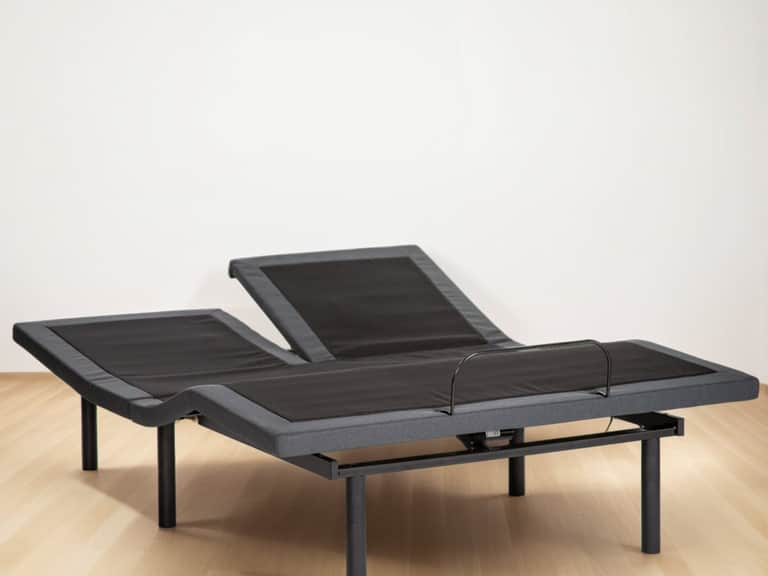
The Clean Bedroom Level 2 Adjustable Bed Base
A modern adjustable base to optimize sleep posture and comfort. Independent head and foot lift, built-in massage, and ambient LED lighting create a personalized sleep sanctuary. Ideal for pairing with latex or hybrid configurations to fine-tune support across different positions.
Key features: Dual USB ports, wireless remote, seven-height legs, memory presets, and a split-head option for couples.
Price: $1,149.00
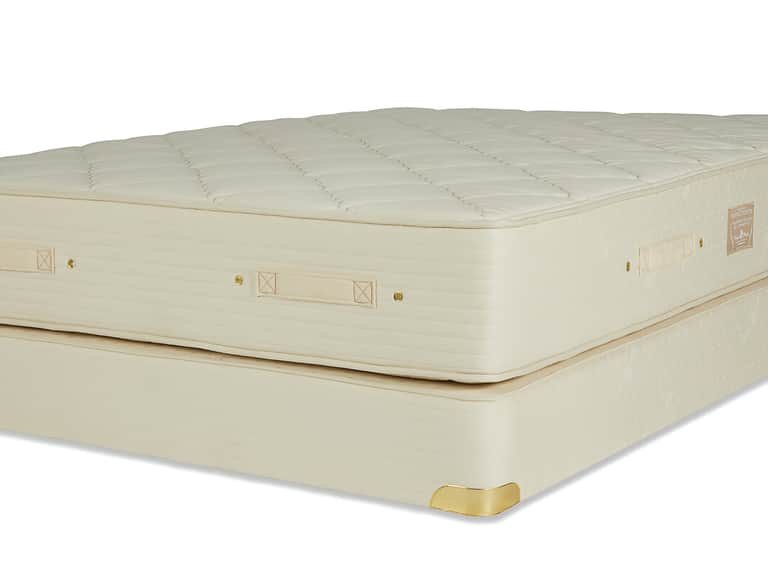
Royal-Pedic Natural Latex Quilt-top Mattress
A luxury latex mattress built with all-natural Dunlop latex core, premium long-staple cotton, and chemical-free wool. Designed for temperature regulation and balanced support, with a quilt-top finish for a plush feel on contact.
Price: $5,974.00
Three key individuals from different time periods who shaped our understanding of sleep and materials
Hypnos (mythic antiquity)
In ancient myth, Hypnos personified sleep. While not a scientist in the modern sense, his symbol underscores humanity’s enduring fascination with rest. The idea that sleep is a restorative force predates modern science and informs our current emphasis on a calm, conducive sleep environment.
Hippocrates (c. 460–370 BCE)
Often called the Father of Medicine, Hippocrates emphasized balance and daily routines in health. While not about mattresses, his holistic approach to sleep hygiene—consistent schedules, fresh air, and restful environments—resonates with today’s evidence-based sleep practices that underpin mattress recommendations.
Francis Pott (19th–20th century, sleep science pioneers)
Modern sleep science built upon early observational work and later empirical studies. While not a single figure, the era of early sleep researchers laid the groundwork for understanding circadian rhythms, mattress ergonomics, and the physiological importance of a supportive sleep surface.
Putting it into practice: steps to choose your natural latex mattress
- Identify your sleep position and firmness preference. Side sleepers often prefer medium to soft with pressure relief, while back and stomach sleepers may benefit from firmer support to maintain spinal alignment.
- Check for zoned layers or multi-density designs that align with your lumbar and shoulder zones. A well-zoned latex mattress can support the spine while allowing comfortable shoulder clearance.
- Prioritize certifications and transparency. Look for GOLS, GOTS, and OEKO-TEX certifications, and request the mattress’ spec sheet to verify latex content and processing methods.
- Consider the cover and climate strategy. Natural fiber covers (cotton, wool) can enhance breathability and moisture management. Pairing with a breathable foundation and climate-appropriate bedding supports sustained comfort.
- Evaluate trial periods and warranties. A generous trial period helps you assess long-term comfort, and a solid warranty protects your investment against manufacturing or material defects.
A note on non-commercial guidance and care
This guide prioritizes educational insights and practical decision-making without pushing specific products or brands. We aim to equip you with the knowledge to compare latex options, understand the trade-offs, and choose sleep systems that align with your health and sustainability values. If you’d like, we can tailor a personalized checklist or a short shopping guide based on your budget, space, and climate.
Conclusion: embracing comfort with a conscious choice
Natural latex mattresses offer a compelling blend of comfort, support, and durability. They tend to suit sleepers who value responsiveness and cooling, with an eye toward sustainability. By focusing on firmness and zoning, certifications, and care routines, you can select a latex mattress that sustains restful nights and supports a healthier, more balanced life. In the end, the right mattress is the foundation not just for sleep, but for daytime vitality, mood, and longevity.
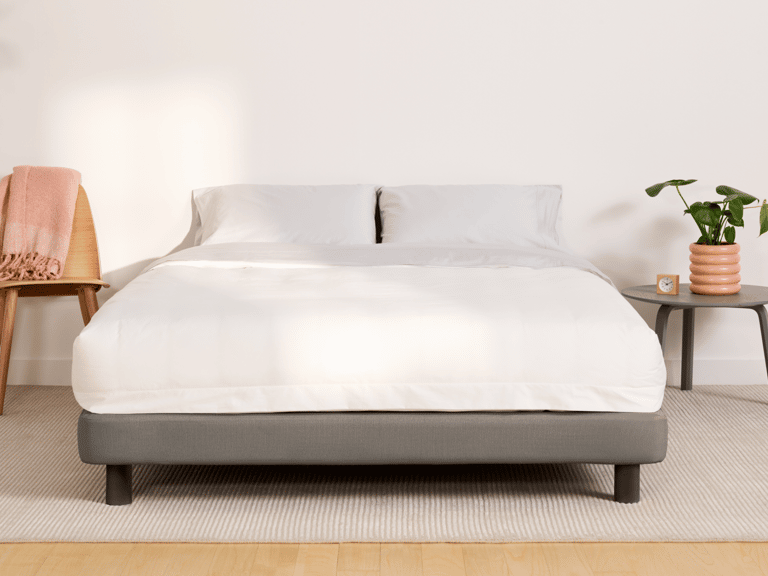
Author’s note: For readers seeking to visualize these concepts in real rooms, consider pairing a latex mattress with a breathable, understated bedroom palette—soft neutrals with calming blues or greens—and a thoughtfully designed base or adjustable system to optimize posture and comfort.